
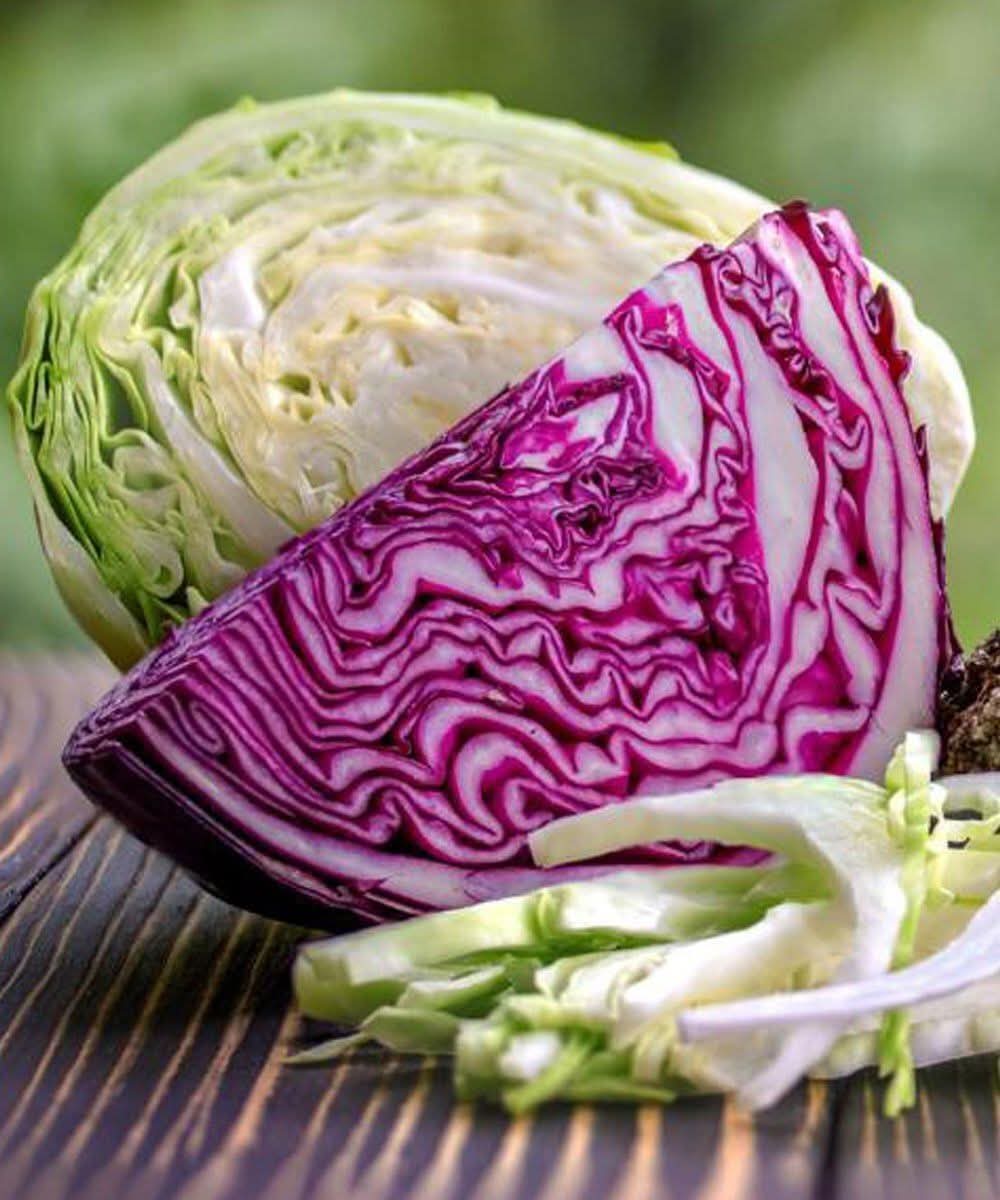
Cabbage: A Familiar Vegetable with Timeless Value
Introduction
For generations, cabbage has been a quiet yet dependable staple in American kitchens.
It has appeared in comforting soups, hearty stews, crisp slaws, and family recipes
passed lovingly from one generation to the next. Many older adults grew up eating
cabbage regularly, often without questioning its role in daily meals.
Today, cabbage is widely recognized for its nutritional value, affordability,
and versatility. When eaten thoughtfully, it continues to support overall health,
especially for adults seeking balance, digestion support, and immune strength.
History
Cabbage has been cultivated for thousands of years, with roots tracing back to
ancient Europe and the Mediterranean. Early civilizations valued cabbage not only
as food, but also for its medicinal properties.
In American history, cabbage became especially important during times of hardship.
It stored well, grew easily, and could feed families economically. From pioneer
kitchens to wartime meals, cabbage earned its place as a reliable and nourishing
vegetable.
Common Ways Cabbage Is Used
- Fresh green or red cabbage
- Cooked cabbage in soups and stews
- Steamed or sautéed cabbage as a side dish
- Fermented cabbage such as sauerkraut
- Raw cabbage in salads and slaws
General Preparation Instructions
- Remove outer leaves and rinse cabbage thoroughly.
- Slice or chop according to recipe needs.
- Cook using gentle methods such as steaming, boiling, or sautéing.
- Season lightly and avoid excessive fats or salt.
- Allow cabbage to cool slightly before serving for easier digestion.
Preparation Methods
Steaming
Steaming softens cabbage fibers and preserves nutrients, making it one of the
most digestion-friendly methods.
Boiling
Boiling cabbage reduces gas-causing compounds and goitrogens, making it ideal
for individuals with thyroid or digestive sensitivity.
Sautéing
Light sautéing with olive oil adds flavor while maintaining texture and
nutritional value.
Formation & Digestive Impact
Cabbage contains fiber, sulfur compounds, and natural carbohydrates that support
gut health. However, these same compounds can ferment in sensitive digestive systems,
producing gas and bloating.
Cooking cabbage alters its structure, breaking down fibers and reducing compounds
that may cause discomfort, especially in older adults.
Health Benefits
- Rich in vitamin C for immune support
- High in vitamin K for bone and blood health
- Contains antioxidants that protect cells
- Supports digestion when eaten in moderation
- Low in calories and budget-friendly
Who Should Be Mindful
- People taking blood-thinning medications (vitamin K content)
- Individuals with a history of kidney stones (oxalates)
- Those managing thyroid conditions (goitrogens)
- People with IBS or sensitive digestion (high-FODMAP)
Why People Continue to Love Cabbage
Cabbage lovers appreciate its comforting familiarity, affordability, and versatility.
It adapts to countless recipes and carries nostalgic memories of home-cooked meals.
When prepared with care, cabbage remains a nourishing and satisfying part of everyday life.
Conclusion
Cabbage is more than just a vegetable—it is a symbol of resilience, tradition,
and nourishment. While not everyone tolerates it the same way, most people can
enjoy cabbage safely by paying attention to portion size, preparation, and personal
health needs.