More Than Preference: How Colors Quietly Reveal Your Mood and Mind
Deprecated: preg_split(): Passing null to parameter #3 ($limit) of type int is deprecated in /home/seariivx/carwom.com/wp-content/themes/jannah/framework/functions/post-functions.php on line 863

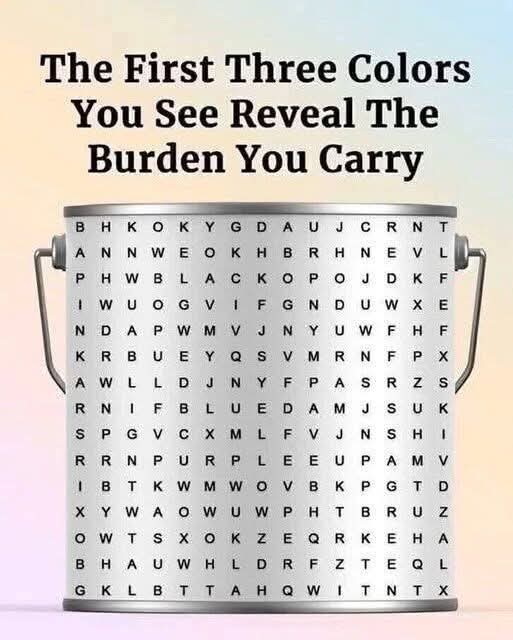
The Emotional Language of Color
Introduction
Before we ever speak a word, color begins to tell our story. Much like a cherished family recipe,
color carries memory, emotion, and meaning passed through time. The shades we wear, the tones we
decorate with, and even the colors we avoid all reflect where we are emotionally and what we
quietly need. This “recipe” is not cooked in a kitchen, but lived through seasons of life.
For those who have experienced many chapters, color becomes a silent journal. A red scarf,
a blue wall, or a yellow mug records emotions we may never say out loud—but feel deeply.
Ingredients (The Core Colors)
- Red – Energy, passion, vitality, restlessness
- Blue – Calm, reflection, stability, emotional distance
- Green – Healing, balance, renewal, growth
- Yellow – Hope, creativity, curiosity, exposure
- Purple – Wisdom, transformation, spirituality
- Black – Protection, strength, boundaries
- White – Simplicity, renewal, transition
- Gray – Rest, neutrality, emotional pause
Instructions (How Color Works Within Us)
- Observe the colors you are naturally drawn to in clothing, décor, and daily objects.
- Notice the colors you consistently avoid.
- Reflect on your emotional state during this season of life.
- Connect your emotional needs to the colors present—or missing—from your surroundings.
- Gently introduce colors that support balance, comfort, or renewal.
Methods (Ways to Use Color Intentionally)
- Home Environment: Use calming blues and greens in resting spaces.
- Clothing: Wear red for confidence, yellow for optimism, black for grounding.
- Daily Rituals: Choose mugs, journals, or accessories that lift your mood.
- Healing Spaces: Soft greens and blues support recovery and trust.
- Emotional Renewal: Add small accents of brighter colors during low seasons.
History (Color Through Time)
Across civilizations, color has carried symbolic power. Red marked celebration, danger,
and love. Blue represented protection and the divine. Green symbolized fertility and life.
Purple, once rare and costly, was reserved for royalty and spiritual leaders.
Cultural meanings evolved, yet the emotional response to color remained universal.
Long before modern psychology, humans understood color as a language of the soul.
Benefits (Why Color Matters)
- Supports emotional awareness without words
- Influences mood, heart rate, and mental clarity
- Encourages healing, focus, or rest when used intentionally
- Reflects inner change during different life stages
- Creates environments that nurture well-being
Formation (The Science Behind the Feelings)
Color perception is both psychological and physiological. Red can increase heart rate,
blue can lower blood pressure, yellow stimulates mental activity, and green encourages
balance and calm focus.
Cultural background shapes interpretation, but emotional response comes first.
Color reaches the heart before the mind has time to reason.
Conclusion
Color is not decoration alone—it is communication. The colors we surround ourselves with
quietly express what we feel, fear, hope for, or are healing from. Like a well-loved recipe,
their meaning deepens with time and experience.
By paying attention to color, we learn to listen to ourselves more gently and honestly.
For the Lovers of Color
For those who cherish meaning in small details, color offers daily companionship.
Whether through fashion, home décor, or simple objects, color lovers understand that
beauty and emotion are inseparable.
Deprecated: preg_split(): Passing null to parameter #3 ($limit) of type int is deprecated in /home/seariivx/carwom.com/wp-content/themes/jannah/framework/functions/post-functions.php on line 863