Doctors Explain Why Adding Okra to Your Diet Can Boost Health — and When to Be Careful
Deprecated: preg_split(): Passing null to parameter #3 ($limit) of type int is deprecated in /home/seariivx/carwom.com/wp-content/themes/jannah/framework/functions/post-functions.php on line 863

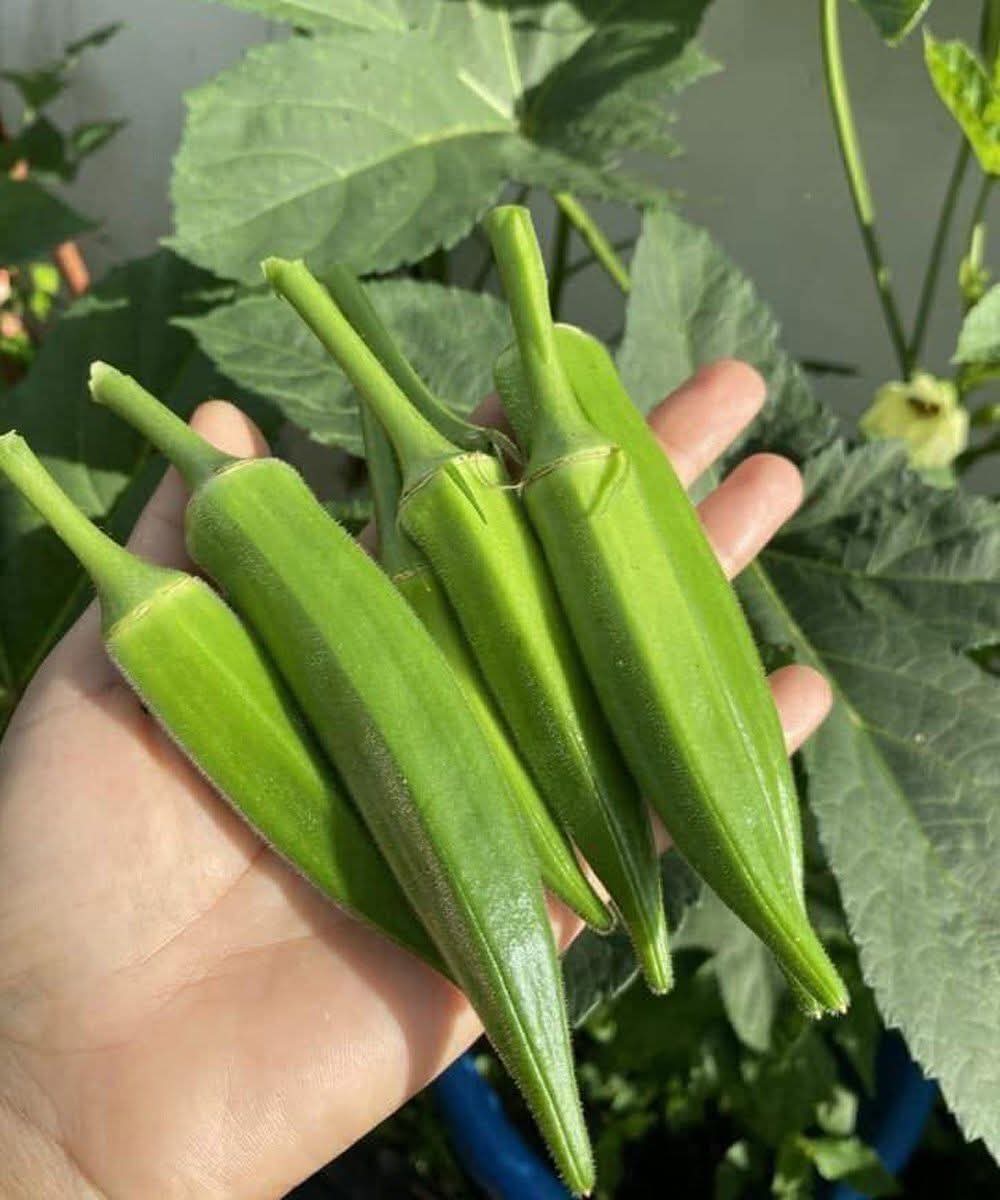
Okra: A Simple Vegetable with Powerful Healing Benefits
Introduction
You don’t need expensive supplements or trendy superfoods to nourish your body.
Sometimes, the most powerful health allies are simple, affordable ingredients
that have been part of traditional diets for generations. One such overlooked
hero is okra—a humble green pod packed with fiber, vitamins,
antioxidants, and gentle healing properties.
When prepared correctly, okra can support digestion, stabilize blood sugar,
protect the heart, and strengthen bones. While it offers impressive benefits,
it’s also important to understand when moderation is necessary. This guide
explores okra’s benefits, preparation methods, history, and who should enjoy
it with care.
Ingredients (What You’ll Need)
- Fresh okra pods (3–6 per serving)
- Clean water (for washing and cooking)
- Optional seasoning: olive oil, soy sauce, garlic, lemon juice
- Optional pairing foods: leafy greens, whole grains, lean protein
Preparation & Methods
Okra is best enjoyed using gentle cooking methods that preserve its nutrients
while making it easy to digest. The most recommended methods include
boiling, steaming, or light sautéing. These techniques activate
okra’s natural mucilage, which supports digestion and blood sugar balance.
Step-by-Step Instructions
Step 1: Clean the Okra
Rinse fresh okra pods thoroughly under running water. Gently pat dry and trim
the stem ends without cutting into the pod to reduce sliminess.
Step 2: Choose Your Cooking Method
- Boiling: Simmer okra in water for 5–7 minutes until tender.
- Steaming: Steam for 6–8 minutes to preserve nutrients.
- Sautéing: Lightly sauté with olive oil over low heat.
Step 3: Light Seasoning
Season gently with lemon juice, garlic, or a small amount of soy sauce.
Avoid heavy oils or excessive salt to maintain its health benefits.
Step 4: Serve Mindfully
Enjoy okra as a side dish or mixed with vegetables and lean proteins.
For digestive support, consistency matters more than quantity.
History & Cultural Background
Okra has a long culinary and medicinal history, originating in Africa and
spreading through the Middle East, Asia, and the Americas. Traditionally,
it was valued not only for its flavor but also for its soothing effect on
digestion and its role in strengthening the body during illness or recovery.
Many cultures relied on okra as a natural remedy long before modern nutrition
science confirmed its benefits.
Health Benefits of Okra
1. Supports Digestion
Okra is rich in soluble fiber and mucilage, which gently lubricate the
intestines, easing bowel movements and relieving constipation naturally.
2. Stabilizes Blood Sugar
Its fiber slows sugar absorption, helping prevent blood sugar spikes.
Cooked okra is especially beneficial for people with diabetes or prediabetes.
3. Promotes Heart Health
Okra helps remove excess cholesterol while antioxidants protect blood vessels,
reducing the risk of cardiovascular disease.
4. Strengthens Immunity
Rich in vitamin C and flavonoids, okra supports immune defenses and reduces
inflammation, helping the body recover faster from illness.
5. Builds Strong Bones
Vitamin K and folate in okra support bone density and joint health, making it
especially beneficial for older adults.
Formation & Nutritional Balance
Okra’s nutritional strength lies in its balance—fiber, antioxidants,
vitamins, and minerals working together. When combined with whole grains,
vegetables, and protein, it becomes part of a powerful, supportive diet.
When to Limit or Avoid Okra
- People prone to kidney stones (due to oxalates)
- Individuals with IBS or FODMAP sensitivity
- Those taking blood thinners (vitamin K interaction)
- People on diabetes medication (monitor blood sugar)
- Individuals allergic to okra or latex
Why Health & Food Lovers Appreciate Okra
Health-conscious cooks and traditional food lovers admire okra for its
affordability, versatility, and gentle healing nature. It fits effortlessly
into plant-forward, heart-healthy, and age-supportive diets.
Conclusion
Okra may not carry the label of a modern superfood, but its benefits speak
quietly and powerfully. Supporting digestion, heart health, immunity, and
bone strength, this simple vegetable proves that nourishment doesn’t have to
be complicated.
When enjoyed in moderation and prepared mindfully, okra can be a reliable
ally in long-term wellness. Sometimes, the most healing foods are the ones
that have been with us all along.
Deprecated: preg_split(): Passing null to parameter #3 ($limit) of type int is deprecated in /home/seariivx/carwom.com/wp-content/themes/jannah/framework/functions/post-functions.php on line 863